FROM TODAY, NEW LASER CUTTING, WELDING AND HARDENING SERVICES Find out more

Laser hardening and welding processes for dies in the automotive sector and other applications

Laser hardening and welding

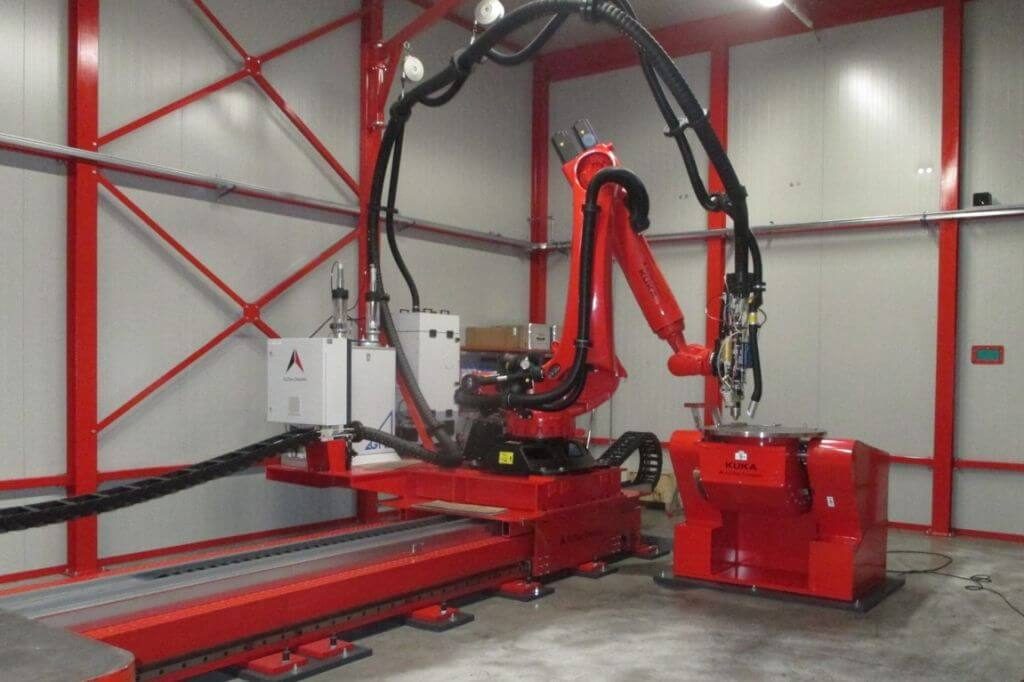
Robot tooling details:
  • KUKA KR90 R3100 extra HA 7-axis robot
  • REIS RL40 linear slide with 7000 mm
  • Tilting and rotating 2-axis table.
  • Coolant cooling system.
  • Maximum robot work area: 7000 x 3000 x 2500 mm

Laser hardening

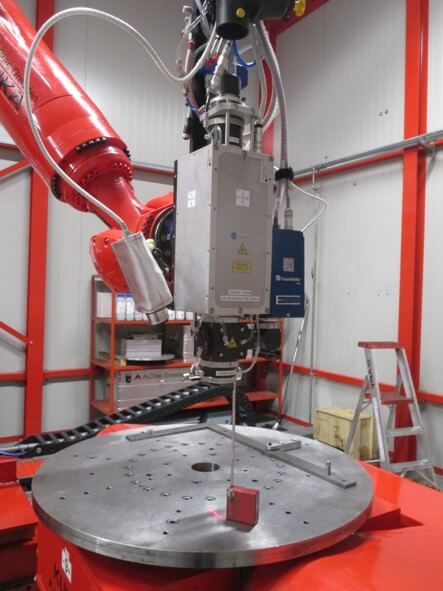
  • Hardening head with 6 kW laser diode.
  • FRAUNHOFER thermal camera for temperature monitoring
  • Machining monitoring camera.

Welding

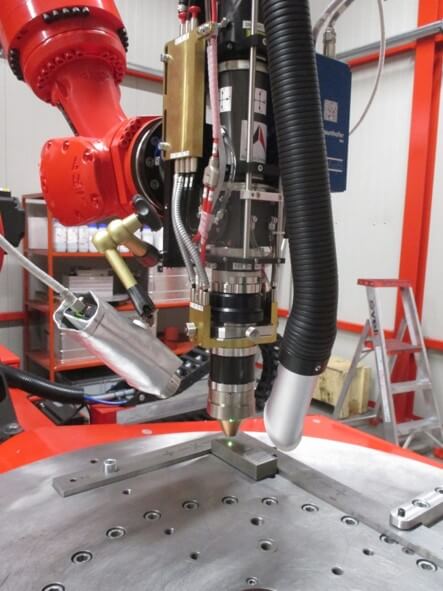
  • Powder welding head with 6 kW
  • 2 powder tanks.
  • Thermal camera for machining monitoring.

Laser Hardening

Working temperature:

  • CAST IRON: T 1100 C°
  • STEEL: T 1250 C°

Hardening penetration

  • CAST IRON: 0.8 – 1.2 mm
  • STEEL: 1.0 – 2.0 mm

Optics–bottom bed distance 267 mm.

Benefits

  • No deformation of the part geometry compared to induction treatment. It is possible to detect small deformations on small workpieces. (in the order 1/10 mm)
  • No need to rework the workpiece. Unlike the induction process, laser hardening is performed on the FINISHED workpiece.
  • Greater depth and hardness process consistency.
  • No need to cool the workpiece, thanks to an AUTO-OFF process performed by the material surrounding the zone being treated. The use of a coolant is INDISPENSABLE in the induction process.
  • It is possible to change tje spot diameter during processing.

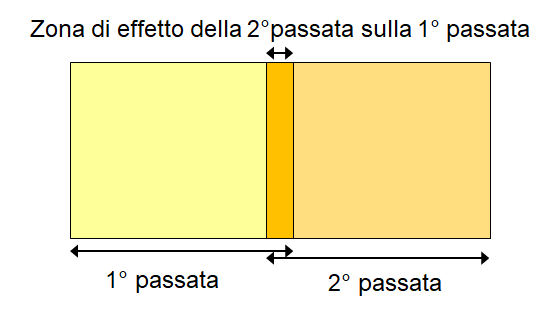
Overlap area

During the hardening process, the outside edges of the beam have a tempering effect on the previous pass. In this transition zone between the two passes, there may be a loss of hardness, which can vary from 4–6 rockwell points in the order of 1–1.5 mm for cast iron, and 2–3 rockwell points in the order of 0.5–1.0 mm for steel.
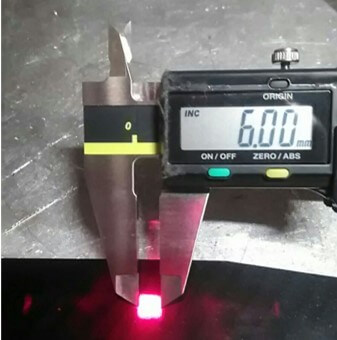
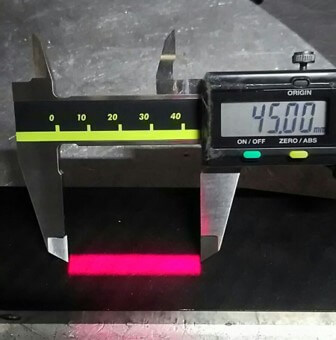
Minimum spot aperture: 6×6 mm
Maximum spot aperture: 45×5 mm

NB: The head is interchangeable. A variant with a minimum aperture of 4×4 mm and a maximum aperture of 40×5 mm is available.